Sleet Vs Hail. Hail though sleet and hail are both frozen precipitation, they form in completely different ways and usually at different times of year. You’re much more likely to see hail in warm and oppressive weather where a sudden thunderstorm occurs.
Meteorologists, however, defines sleet as frozen rain drops. When the temperature falls below 32 degrees, precipitation falls out of a cloud as snow. Typically, hail is most often a summer occurrence, while sleet occurs mostly in winter.
Know More About These Two Forms Of Precipitation Through This Sciencestruck Article Which Gives A Comparison Between Sleet And Hail.
Sleet is formed when falling rain passes through a layer of freezing cold air and turns into ice, when on the other hand, hail is formed when rain freezes and then falls to a warmer pocket of air. Typically, hail is most often a summer occurrence, while sleet occurs mostly in winter. Sleet, hail, and freezing rain all make driving more challenging, but in different ways.
As Noted Above, Sleet Forms When Snow Melts In A Warm Layer And Then Refreezes Into Ice Pellets As It Falls Though A Cold Layer.
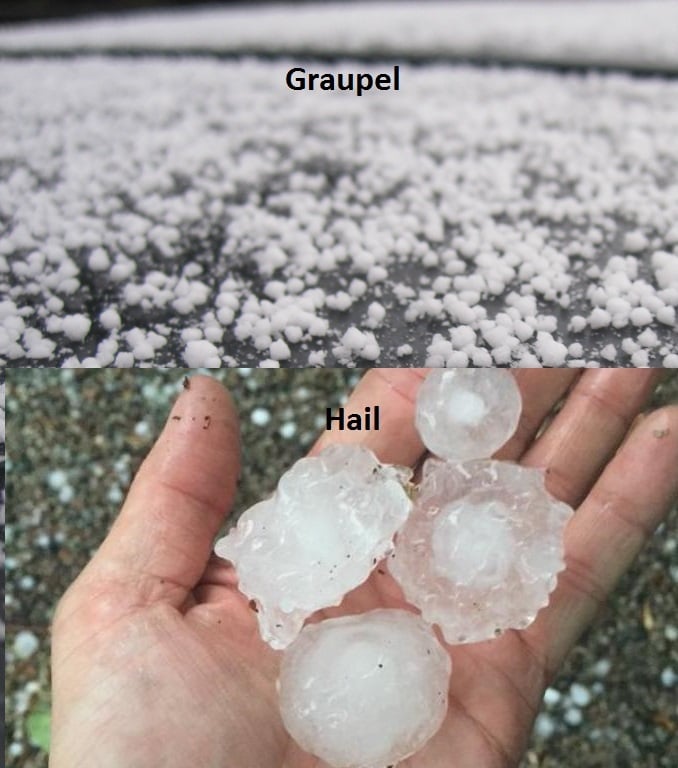
A comparison of sleet and graupel. Sleet is smaller than hail. The temperature changes them into pellets of ice.
So This Brings About The Question, How Do They Differ And How Do Each Form?
While sleet and hail are both forms of frozen precipitation, they form in completely different ways and usually at different times of year. Usa todayconnectemailmorestory highlights here's an explanation of how freezing rain and sleet form. Sleet noun partially melted snow (or a mixture of rain and snow) advertisement hail noun
Hail, However, Forms In Spring, Summer Or Fall Thunderstorms.
Freezing rain is rain that freezes on contact with the ground, making driving extremely dangerous. The sleet is small in size, it is around 5 mm and the hail is 5 to 150 mm. Hail forms only inside cumulonimbus clouds during thunderstorms.
In Times When A Thunderstorms Break, The Water Ends Up Freezing Into Flakes Of Snow In The Centre Part Of The Cloud Where There Is An Updraft.
In europe, sleet is basically partially snow on the earth’s surface. Hail occurs in warm weather, while sleet occurs during cold weather. Meteorologists, however, defines sleet as frozen rain drops.
